Category Archives: Finance

12 Painless Ways to Cut Your Expenses

a1

I love to read about frugality. Most of the tips are useful, but some are so extreme, it’s ridiculous! Trade my car for a bicycle? (Get real!) Use homemade toilet paper? (Good Lord, never!) What I like are real-life, easy to implement ideas that most anyone can do. Here are 12 painless ways to cut your expenses:

1. Pay cash for everything.

Did you know most people spend more when using a credit card? By switching to cash, you will undoubtedly be more conscious and probably spend less. This tip works especially well for the conspicuous consumers among us. If you don’t have the cash, you can’t get into trouble, and most of us are in trouble and have tons of credit card debt.

2. Pare down to the basic essentials.

It is amazing what you can live without. Peek into your closet. See a bunch of over-priced clothes, shoes, and purses? The temptation to buy is fierce, I know. Many people are compulsive spenders and don’t even realize it. Try a No-Spend Week (or even a day)! Whatever you need can be bought on sale and usually with a coupon, too. Also, don’t forget the Used marketplace. There are wonderful options on Ebay and Amazon, especially for books and DVDs.  

 
3. Make a budget and stick to it.

If you’re constantly running low on money, getting overdraft and/or late fees, and paying high interest, you’re probably not following a budget. Make a list of every expense you have. This can be done on paper or online. (I use FreshBooks cloud accounting which allowed me to ditch the multiple filing cabinets and shoe boxes stuffed with receipts!) Pay for the essentials first, then splurge on a treat or two. If there is money left over, put it in savings. Try to spend less than you earn if at all possible.

4. Don’t buy expensive gifts.

If you’re crafty, make something. Tastefully re-gift. Buy sale and clearance items all year long and save them for birthdays, holidays, and anniversaries. For instance, I try to only buy toys when Target has their huge sales in January and July. By doing that, I’m not scrambling for Hanukkah gifts in December.

5. Stay home more.

It’s amazing how many things you don’t know you are missing out on, if you’re not out window shopping. Staying home and out of the stores is the easiest way to avoid temptation.

6. Don’t eat out.

Cooking and eating at home is always cheaper, especially if you’re buying on sale, cooking in bulk, and using coupons. Stick to simple meals. Learn to cook and bake from scratch. Plan a menu.

 
7. Find ways to have free dates.

Date Night doesn’t always have to be an expensive dinner and a movie. Pack a picnic and go to the park. Go to a bookstore and browse together. Make some homemade drinks and play a game. The possibilities are almost endless on this one if you’re willing to looking into cheap and free entertainment.

8. Learn to utilize the library.

I love the library! I check out as many new books and DVDs as I want and never pay a cent. The only possible expensive is overdue fees, so return or renew promptly.

9. Pack a lunch.

If you, hubby, and/or the kids are buying lunch everyday, you can easily reduce expenses by packing something cheap and nutritious. If mornings are too crazy, pack it the night before. Check out this list of my favorite frugal snacks for inspiration.

10. Cut back on meat consumption. 

Every meal doesn’t have to be a Thanksgiving feast! There are many good meatless meals that are actually filling—pasta, pizza, veggies stir fry, soups, dinner salads, etc.

11. Learn to mend.

Dry cleaning and tailoring can be an enormous expense. In my area, it costs $25 to have a winter coat cleaned! Look into hand washing, Dryel kits, and teach yourself basic mending. I can’t do anything difficult, but anyone can sew on a button.

12. Share the wealth.

Why is it that every single person in a family has to have their own TV, cell phone, laptop, and car? 20 years ago, a family could easily get by sharing a single landline phone. (I know, because that’s how every family lived before cell phones!) Sure, we had to be respectful of other people’s needs and occasionally you had to wait for a call, but overall it was fine. There’s nothing wrong with sharing.

If you implement all of the above tips, you should also have a bit leftover which brings me to a bonus tip:

*SAVE*

Regardless of how little you have, put a little money in savings every month– even if it’s only $5. Try the 52 Week Challenge. By having funds available in an emergency, you will spare the expense of borrowing. (Think you’re super lucky and it won’t happen to you? Guess again. It happens to everyone at some point and being prepared can mean the difference between devastation and inconvenience).


Do you have any money saving tips?
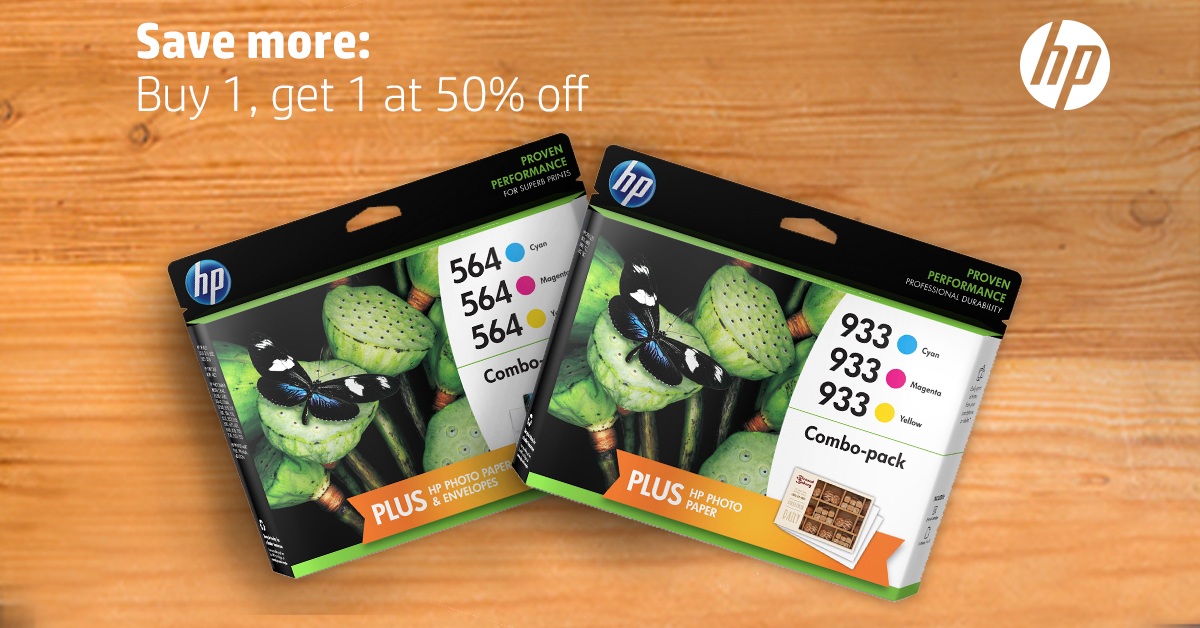
HP Ink: Buy 1, Get 1 at 50% Off!

HP Ink 1

Attention HP ink fans! Here is a hot deal alert you won’t want to miss:

Buy one original HP Ink, get a 2nd one at 50% off.

This is the best deal HP has had since 2012, and it offers a great opportunity to stock up. I have an HP all-in-one printer and because I print so many coupons, I go through a lot of ink! I’m going to buy 4 cartridges and be set for months.

The offer is available until Saturday, August 1, and can be found on the HP website, as well as Staples, Best Buy, and Office Depot.


This post is part of a sponsored campaign with HP and MomSelect. All thoughts and opinions are my own.

3 Ways Clutter is Hurting Your Finances

a3

The following guest post will be very beneficial to anyone struggling with clutter!

Whether you admit it or not, your old clothes, electronics, books and
toys can have a great impact on your wallet, especially if you find it
difficult to manage your money.

Letting go of unnecessary stuff at home has many benefits. First off, it will help you to create a more comfortable home environment and increase room space. Secondly, it has been proven that clutter may have a direct impact on your wallet. Many people are unaware that overstuffed closets can be directly connected to monthly budget woes.
  
Here 3 ways clutter is hurting your finances:
  
1. Unused items exceed what’s used regularly

Look around yourself. Are there plenty of old clothes or other things that you do not use for any occasion? If so, a clean out is in order. All of these items cost money and aren’t making any by hanging around! Whether by donating to charity, or by holding a garage sale eliminating unused items is crucial.
  

2. Being sentimental  
  

By holding on to unused items simply because they have sentimental value, you miss the unique chance to get some extra money for them. There is no point in keeping such old stuff, you don’t want, wear, or even like. Go through every item and estimate its worth. 
   
  
3. You can’t find recent purchases
  
Who among us hasn’t bought something then misplaced it in an over-stuffed drawer or closet? This mistake is too common and costly! The moment you start resorting to duplicate purchases, because a recent purchase has been lost, clutter has taken over.
  
Clutter accumulates over time and it won’t be gone overnight either. But once you realize how badly it hurts your finances, you can take the right measures and focus on removing of all the unnecessary items .

This guest post was submitted by After the Builders in Kensington.

40 Healthy Foods that Cost $1.00 or Less

a3

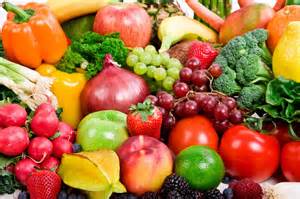
One of the biggest myths about eating healthy is that healthy food is too expensive. There are so many good-tasting and good-for-you foods that are affordable, even on the tightest budget—provided you know how to shop properly.

By “Shop Properly,” I mean going through your store’s flyers, picking up loss leaders, buying items in-season and on sale, and then incorporating those foods into a menu plan. What is not “Shopping Properly?” Going into any store, particularly a Whole Foods and buying everything organic, prepared, and/or full price!

In addition to this list, I also recommend using coupons whenever possible to lower costs and looking for unadvertised Manager’s Special and mark downs. Many, many times, I will find huge reductions on produce including organics, so it always is worth a look.

Here is a list of all the food I can find for $1.00 or less. It was compiled over many years. First, by saving old flyers and entering the amounts in a notebook; now, I keep track of everything online with FreshBooks.

1. Almond Milk (I’ve found shelf-stable and fridge milk for $1.00 on sale.)

2. Apples ($0.79/lb during autumn sales, typical price is higher.)

3. Bananas ($0.49/lb or less year-round.)

4. Barley (Cheapest in bulk.)

5. Beans (I can buy cans of Goya Prime Premium for $0.79. Store brand is even cheaper.)

6. Cabbage (As low as $0.17/lb around St. Patrick’s Day.)

7. Carrots (Even organics are only $0.99/lb.)

8. Celery (Usually $1.29, but I’ve seen it on sale for $0.99)

9. Chicken ($0.99/lb for split breasts on sale; legs can go as low as $0.49/lb.)

10. Citrus Fruit (I’ve found limes 4/$1.00 and lemons 3/$1.00 many times.)

11. Corn (5/$1.00 is a common summer sale here in New England.)

12. Cornmeal (I’ve seen small canister for $0.79 on sale.)

13. Cucumbers ($0.50 each all summer.)

14. Frozen Veggies (I find bags of mixed veggies on sale for $0.88 each often.)

15. Grapes ($0.99/lb on sale. Great as a frozen treat.)

16. Grapefruit (I’ve found them 4/$1.00 in the winter.)

17. Kale (wonderful in smoothies, salads & as a side. I freeze extra.)

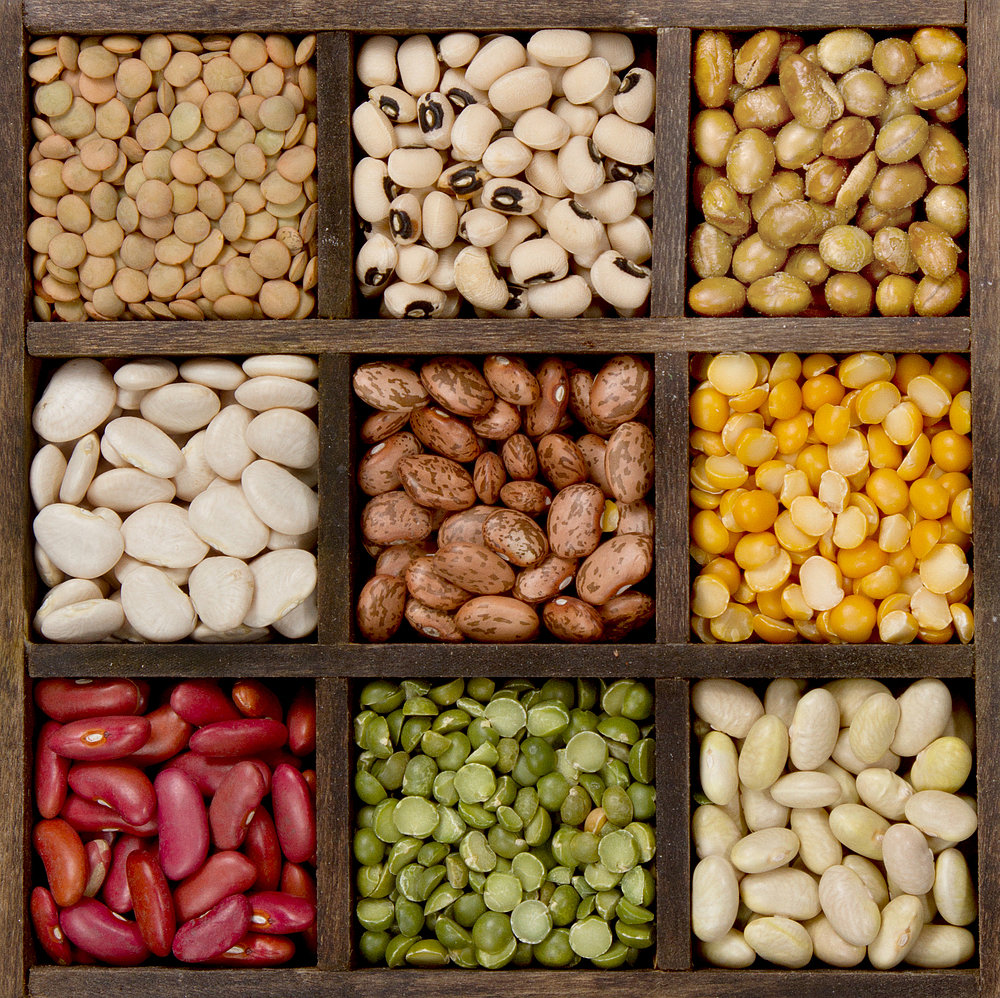
18. Lentils (A great substitute for beef in sloppy joes.)

19. Lettuce (Romaine is often $0.99 each, iceberg is even cheaper.)

20. Mangoes (Bought by the case, these can be very affordable.)

21. Mushrooms (8-oz packs can be $0.99 on sale.)

22. Nuts (Generally super expensive, but the trial size packs are usually only $1.00)

23. Oatmeal (Unflavored, rolled oats are not only cheapest but healthiest.)

24. Onions (2 or 3-lb bags for $1.00 is common.)

25. Pasta (Aways under $1.00, year round. Good stuff like Barilla is usually only $0.88.)

26. Peaches ($0.79/lb during summer.)

27. Pita Bread (Whole Wheat can be found for only $0.99 a package.)

28. Potatoes (Both white & sweet varieties. 10-lb bags are cheapest.)

29. Pumpkin (Look for deals on canned and fresh in the Fall).

30. Rice (White is cheapest, but brown isn’t too much more if found on sale or bulk bought.

31. Seeds (I can find small packs of pumpkin and chia seeds for less than $1.00 on sale.)

32. Spinach (This tends to be cheapest when you buy the economy size bag. Extra can be frozen.

33. String Beans (I can find fresh for $0.99/lb during the summer and frozen all year.)

34. Tea (Much better than soda, especially Green variety.)

35. Tomatoes (Look for canned year round and fresh in the summer.)

36. Tofu (A cheap source of protein. Buy plain & marinate yourself to save extra.)

37. Tuna (I found solid white albacore on sale for $0.88 regularly. Chunk light is even cheaper.)

38. Turkey (I’ve seen it for 0.59/lb around Thanksgiving. I always buy extra.)

39.Yogurt (Plain, unsweetened can be found for $0.89/lb.)

40. Zucchini  (0.99/lb usually.)

a3

While this is a large list, there are more items that I didn’t include simply because I don’t eat it (pork and radishes are  good examples). If there’s a food you enjoy not on the list, compare prices; the odds are good you can find it cheaply if you look around.

Cooking at home can save so much, but only if you know how to prepare that food. If you don’t know how to cook, attending a culinary class is definitely worth the investment. 


What’s your favorite cheap healthy food?