Category Archives: Judaism

Shopping For Passover

a1

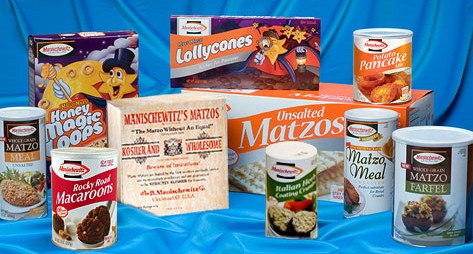
There’s not a single product in the photo above that I’ll be buying, other than Matzo, when I shop for the week of Passover. Gasp…

Yes, there are some folks who literally empty their kitchens and refill it with Kosher for Passover (KP) foods, but I’m not one of them. This is so wasteful and completely unnecessary. Passover lasts for a week, not a year! We don’t need every product on the market.

I treat Passover as a week of low-carb eating. Why buy tons of special products when most of our regular foods will do? These foods are always KP, even if they don’t have the KP seal:

*Matzo in any form

*Fresh whole fruit

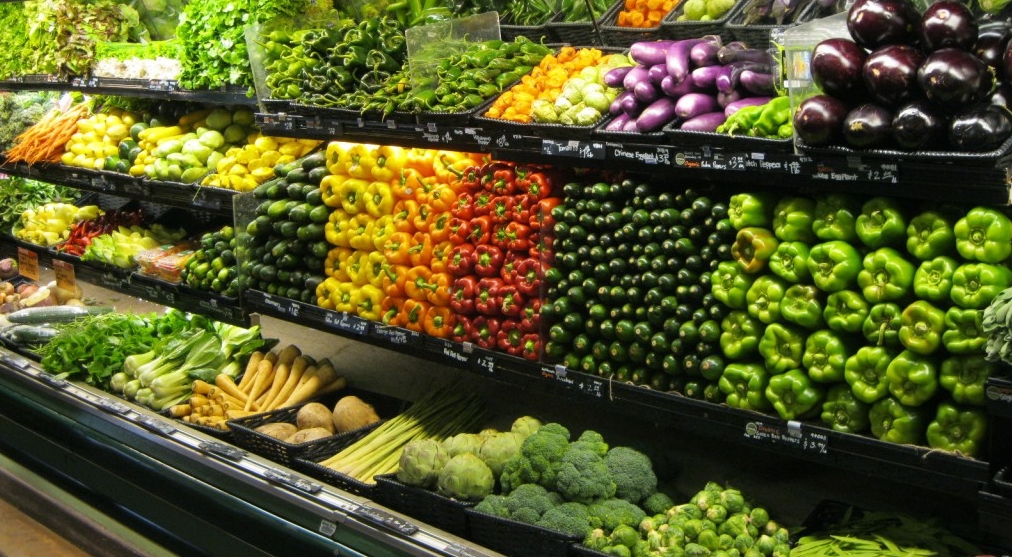
*Fresh whole veggies

*Quinoa

*Meat 

*Eggs

*Nuts, nut flours, and nut butters 

*Dairy 

*Spices/Herbs/Non-Iodized Salt

*Coffee/Tea (There is debate over K-Cups).

*Obviously, any processed/package food that has the KP stamp is also acceptable.

a11

Not so restrictive when put that way, is it? There’s a debate among some Jews over whether the following foods are considered KP:

*Rice
*Corn
*Millet
*Dried beans and lentils
*Peas
*String Beans
*Soybeans
*Peanuts
*Sesame Seeds
*Poppy Seeds
*Mustard

a1

My family never restricted those foods, so I eat them during Passover. (We always drank Coke and Sprite, regardless of the corn syrup.) It’s up to you; do whatever you feel is best. I make my regular meals, with the starches eliminated. The right attitude is what makes or breaks the stress of Passover restrictions. Accept it and the week flies by, wallow with cravings for pasta and you’ll be miserable!

When shopping for Holidays, I apply all of my usual strategies—buying on sale, using coupons, and shopping at multiple stores. Most grocery stores, especially in the Metro areas, will have a huge assortment of Passover products. If you’re in a small town, you can buy anything online.

Do you buy KP foods?


Passover Desserts

a1

When I think about Passover cakes, the word “delicious” doesn’t spring to mind. I’ve never tasted one that I enjoyed. I don’t buy them, I don’t make them, and nobody misses them! Just because it’s Passover doesn’t mean we must endure bad food.

Here are the desserts I’ve successfully served at my own Seders:

a1

Fruit salad: The key to a good fruit salad is having a nice mixture of different items. I enjoy berries, grapes, kiwi, and pineapple. If you have any extra apples that didn’t go into Charoset, throw those in, too.

Tray of Nibbles: I arrange a variety of little hand-held tidbits on a tray. By the end of the meal, many people get antsy and these items are nice for those who want to get up and move around while still tasting.

Any of these items are good to include:

a1

Boston Fruit Slices: I don’t know why, but most everyone loves these candies.

a11

Chocolate-dipped Strawberries: Always a big hit, with young and old alike. You can simply dip them in milk or dark chocolate. For the creative among us, I’ve seen some amazing versions that use crushed candy, white chocolate drizzle, etc.

a1

Apricot Candy: I adapted this recipe from the one I found here. It couldn’t be simpler. Just take a bag of dried apricots and some pistachios, grind them in the food processer, roll into balls and coat in sugar. I put them into disposable baking cups as they tend to be sticky.

a11

Coconut Macaroons: A yummy little darling that can be left plain or dipped in chocolate. Very easy/fast to make.

The best way to serve is always buffet. Setting everything out and letting people choose what they want makes it easiest on the hostess and minimizes waste. (By the time dessert rolls around, I’m always ready to drop!) For a large Seder, I recommend 2 trays of nibbles, a huge bowl of fruit salad, and an extra goodie, preferably chocolate.


What’s your favorite Passover Dessert?

Passover Menus

a1

Passover is all about the food! That’s part of the fun, and (often) the problem. Because the menu is so restrictive, special attention must go into our planning.

A typical menu for an Ashkenazi Seder will include:

a2

*Seder plate

a11

*Matzo

a4

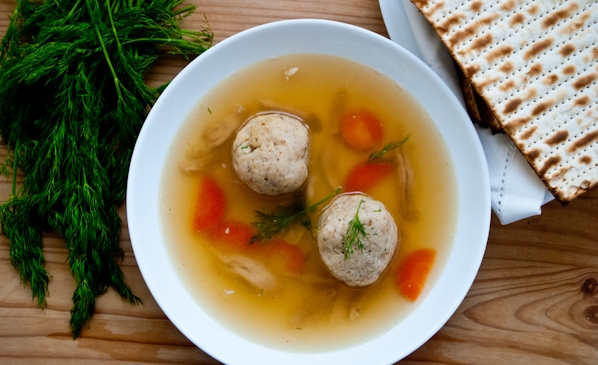
*Matzo ball soup

aa

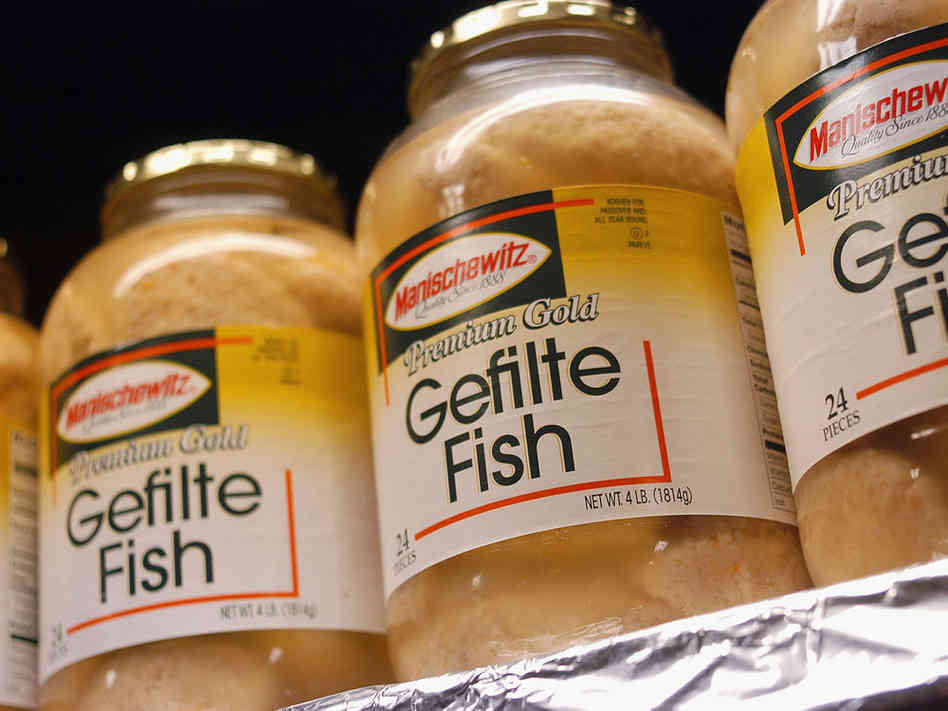
*Gefilte Fish

aa

*Flourless desserts

Add in the usual main course, salad, and veggies, and it sure sounds like a lot, doesn’t it? Without thinking, we serve these foods every Passover because we’re “supposed” to and it’s “expected.” If you like these foods, great! If not, don’t feel obligated to serve every single thing! Ask your family which of these foods they like. Don’t be surprised if some answer, “None!” I don’t really like most Passover foods, so I simply the menu extensively.

*My Menu*

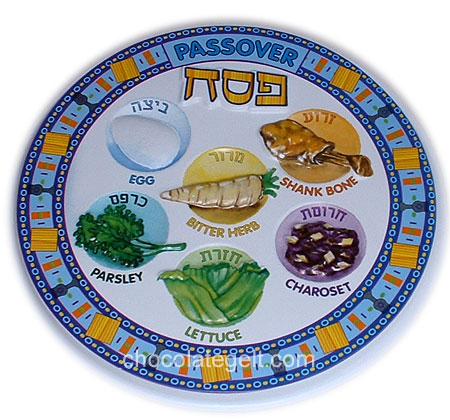
Seder plate: Must-have. The Seder plate consists of a hard-boiled egg, shank bone, parsley, bitter herbs, lettuce and Charoset. Those are all self-explanatory, other than the last item. For those who don’t know, Charoset is a condiment that consists of spiced fruit, chopped nuts, and a liquid binder. It’s supposed to resemble the mortar used to construct the Pyramids.

a1

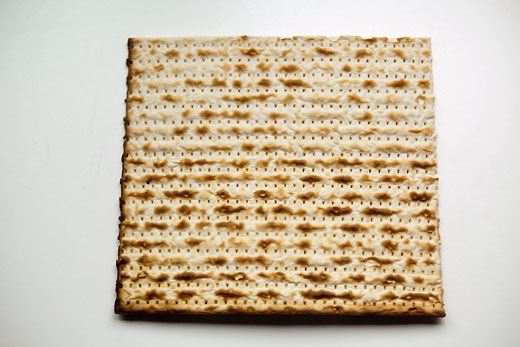
Whole Matzo: I usually buy a few boxes. Don’t get the industrial size unless you have a big family and/or are hosting a big Seder. It always seems to go uneaten.

Red Wine or Grape Juice: For drinking, Charoset, Plague-dipping.

Main Course: I’ve served turkey, salmon, and brisket in the past. Each was well received. Serve whatever you prefer. Most Seders are typically meat-heavy. For Passover 2013, I made turkey.

aa

Salad

Green Veggie

Honey Carrots

Dessert: I know this will shock some readers, but I never make Passover cakes! The taste is always sub-par and the recipes tend to be fussy (separated eggs) or fatty (flourless chocolate cake with 2 sticks of butter).

So what desserts do I serve for Passover? Stay tuned for tomorrow’s post!


What’s on your Passover menu?


Cleaning For Passover

a2

The quote above makes me laugh! As someone who’s been in tears more than once over cleaning for Passover, it certainly can feel that way.

Picture Spring Cleaning on steroids; that’s what cleaning for Passover is like. We’re supposed to go room by room, eliminating Chametz (leavened food) with zeal. Nothing can be missed—not a drawer, not a closet, nothing.

First things first: Step back, take a big gulp and admit this is a monumental task. Don’t think you can do it the night before by yourself. Try to enlist other family members. If you can afford a cleaning lady, by all means, call one! If you’re stuck doing it alone—as I am—you’ll need to be extra diligent.

Step One: The Master List

Make a Master List of every room in your home. Depending on size, this will vary person-to-person, but generally we all have bedrooms, bathrooms, a kitchen, foyer, and a living/family room.

Bedrooms: Unless you’re having overnight guests for the holiday, go easy here—especially with little ones underfoot. Start at the top and work your way down. Dusting comes first, floors are last. I do a quick once-over in each bedroom. Wash the windows, wash the bed linens, mop/sweep/vacuum the floor and closet. Make the room presentable not perfect—nothing on the floor, no dirty laundry, etc.

Bathrooms: Everything should be scrubbed—tub, toilet, sink, counter, tiles, mirror, floor. Again, we start at the top and work our way down the room so that everything only has to be cleaned once. Have extra paper products available. Don’t ever allow a guest into a filthy bathroom!

Living/Family room: These rooms tend to be extremely cluttered. Toss the old papers, put the toys away, get rid of the useless junk. Polish furniture, if you can. Definitely do the floor. Fluff up the couch pillows.

Foyer: This is the first thing guests see and it sets the mood for the home. Check your coat closet. Make sure it’s not totally trashed and there are extra hangers. Don’t have anything piled up by the front door. If it’s raining, put something out for umbrellas.

Kitchen: I’m saving this for last because it’s the biggest job! If you have an extra set of Passover dishes, bring them out. If not, you have two choices: wash every single item you own or use disposables. I go for a mix of my everyday dishes and disposables. (FYI: I don’t keep a kosher home, so this isn’t super-important. For those who do keep kosher, you’re facing a ton of dishes!)
a2

Step Two: Assemble Supplies

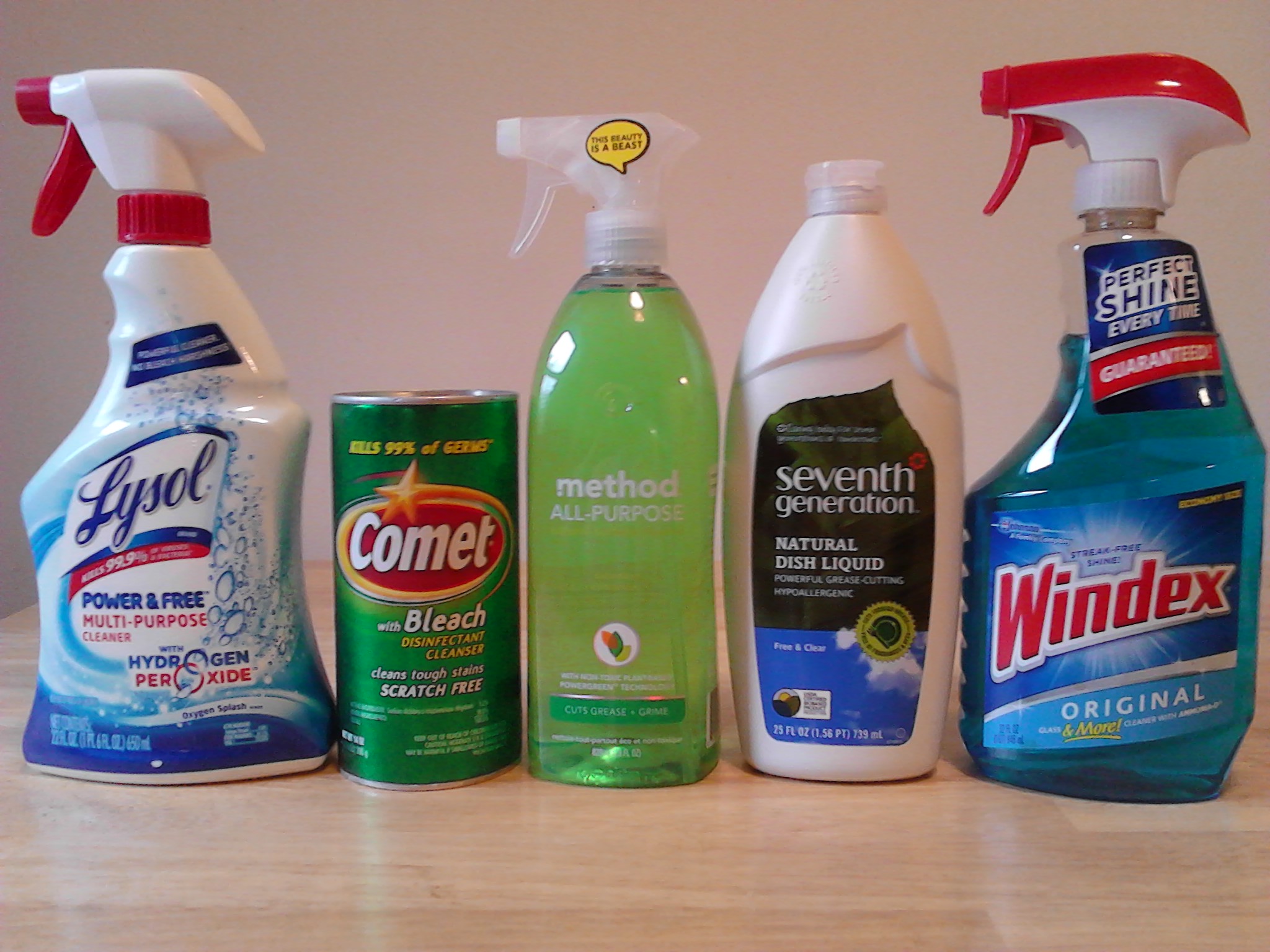
Using the Master List, determine what cleaning supplies you’ll need. The photo above shows what I use (Windex, dish soap, Comet for scouring, an all-purpose cleaner, and a bathroom cleaner). Try to schedule extra time so you’re only tackling one room per day. (You’ll need to do a final run-through of each room the night before Passover, but it should be quick.)

I enjoy cleaning more when I’m prepared. I gather my supplies, I put on some old clothes, I turn on some tunes, and I just zoom through it! If you truly lack all motivation, set a timer for 15 minutes. You’d be amazed at what you can accomplish when focused, even in a short time. When the task is completed, give yourself a treat! Get a Starbucks.

If you need more detailed cleaning advice, check out http://www.flylady.net/. This is a wonderful site that offers the most detailed cleaning instructions imaginable.

Step Three: Protecting your work

Once a room is cleaned, try to seal it off in any way possible. If you have a formal dining room that’s only used for holidays, don’t let anyone in before the holiday! (Simple, right?) The kitchen is the last room I do since it must be “turned over.” Usually, I’d suggest starting with the most complicated task, but it makes no sense here. Most of us are eating Chametz right up until Sundown, so why do it twice?

Step Four: Giving yourself grace

We all have the best of intentions, but sometimes real life gets in the way. You can craft a “perfect plan,” and buy every cleaner on the planet. That won’t help if you’re working overtime and up all night with a new baby. Just reading the list of what needs to be done can seem unbearable, let alone actually finishing.

Do what you can, with what you’ve got, where you are. I promise it will be good enough!


Does cleaning for Passover make you cry?