Category Archives: Judaism

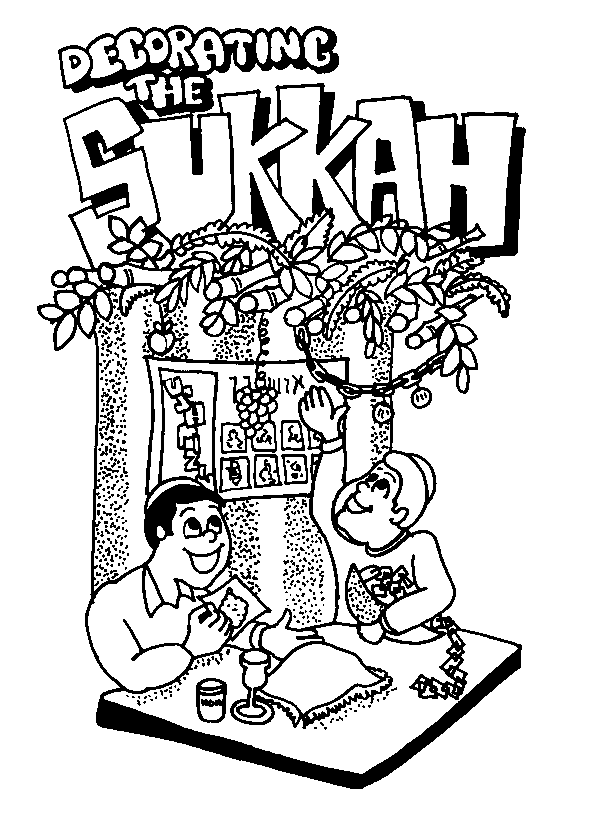
Free Guides & Printables For Sukkot

a2

One of the easiest—and most enjoyable—ways to teach little ones about Jewish holidays is through crafts. Most kids love art projects and this is a great way to help them learn!

For those who are unfamiliar with Sukkot, I suggest checking out the wealth of info from Sukkah World. There is an excellent guide and many printable resources available like this “Rules of the Sukkah” banner. (Very cute and relatable for kids, since it’s written in a Dr. Seuss style.)

Web

Here are a variety of free coloring pages—just download, print, and get creative. These can be hung up in the Sukkah itself, or just stuck on the fridge if you don’t have/want your own Sukkah.

Chabad Coloring Pages

Aish Coloring Book

ShirLaLa Coloring Pages

Crayola “Build a Sukkah” Coloring Page

Torah Tots Coloring Pages

a4


Does your family celebrate Sukkot? Why or why not?

Goddard College, Mumia Abu-Jamal, & Yom Kippur

a1

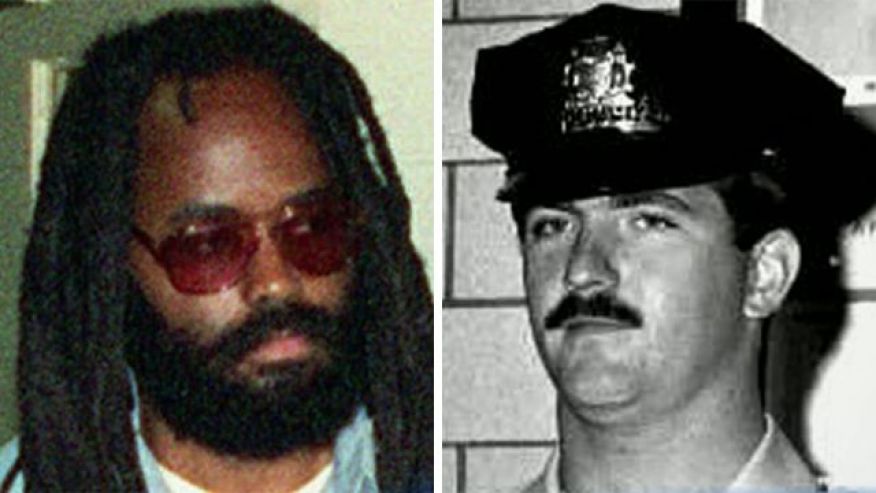
I was both surprised and disappointed to hear that Goddard college had chosen Mumia Abu-Jamal as their commencement speaker. While I have no doubt that these students and the faculty are well intentioned, they are extremely misguided.

Mumia Abu-Jamal—formerly known as Wesley Cook—is a convicted cop killer who’s been incarcerated for 30 years. Once sentenced to death, he is now serving Life without parole. Prior to the murder, he was involved with the radical and violent Black Panther party.

Why would such an individual be deemed a role model that could inspire and encourage graduates? Quite frankly, I have no idea! According to a spokesman I saw on TV, it’s to bring attention to “race relations and judicial injustice.”

Do we have problems in America with race? Absolutely. Is our legal system completely fair and equal for all? Not even close. That doesn’t mean, however, that murderers should be lionized. Despite what Abu-Jamal and his supporters believe, he is not a political prisoner. He is a murderer of an innocent man who did nothing more than make a routine traffic stop.

Certain individuals, who do not even know the facts of the case, have rallied to this cause. Throughout history, many infamous prisoners have worked both sympathy and the system to their advantage. I am reminded of what happened to Lord Longford in his association with the notoriously evil British child killer, Myra Hindley. (Those events were documented in an excellent film.)

a1

Like the supporters of Abu-Jamal, Lord Longford staked his name and reputation on helping someone he thought had suffered “judicial injustice.” Sadly, he was lied to, used, and betrayed by Hindley, with devastating personal consequences.

I am not against helping prisoners—far from it! (The Torah is very clear in that regard.) I grew up in a family filled with defense lawyers and I truly believe everyone deserves their say in Court. I believe in mercy, redemption, and fair punishments. What I don’t like is when innocents have their trust shattered by con artists who truly care for none but themselves.

So, how does any of this relate to Yom Kippur? Since we just celebrated the holiday, its tenets are on my mind. Yom Kippur is a day in which we are reminded of the vital concepts of humility, healing, prayer, introspection, and atonement.

During his commencement speech, did Abu-Jamal apologize to Maureen Falkner (the victim’s wife)? Did he ask for forgiveness? Does he show repentance by continuing to deny his crime and seek publicity from it by writing books and making speeches?

If Goddard college wants to teach its students to be mindful of injustice, why didn’t they ask the widow to speak? She has courageously detailed all of the hardships she and her children have endured over the years in a compelling book. Shouldn’t our sympathies be with them? (I know mine are.)

Everyone makes mistakes; we are all sinners. God knows that and He loves us anyway. If an individual is truly repentant, they can be forgiven. 4 days ago, on Yom Kippur, we asked for forgiveness. We promised not to repeat our crimes, be they minor or major. We humbled ourselves before God and our community and admitted we are not perfect.

a3

Until Mumia Abu-Jamal can do the same, he should not be asking for pity…

Happy New Year

a1

I want to personally wish all of my incredible readers a very Happy New Year! I hope 5775 is a year filled with peace, prosperity and all good things for everyone, everywhere!

High Holidays For The Unaffiliated

a5

With the High Holidays starting next week, this is a great time to discuss our plans. While most members of the Jewish community will be attending services and festive meals, not everyone has that option. Those who are Unaffiliated may feel totally isolated and excluded.

Who are the Unaffiliated? It could be a student away at school, a senior that’s in a nursing facility, someone that’s sick or disabled, military members, secular families, or Interfaith families. (Basically, any Jew without a congregation is unaffiliated.)

For the past few years, I haven’t been affiliated anywhere. After a very unpleasant experience serving on my temple’s Board, I became extremely disillusioned. That doesn’t mean I wanted to stop being Jewish or stop practicing; I just didn’t want to participate with that congregation. Until I find another one that I want to join, I’m left to left muddle through and figure it out on my own. Here are some of the things I’ve tried that may also help you:

a1

1. Watch Services on TV

The immensely-likeable Rabbi Golub has been broadcasting his High Holiday services on Shalom TV. I’ve watched it now for the past 3 years in a row and enjoyed it every single time. You get the feeling of being there without actually having to go! Also, you can watch when you want, instead of being forced into a designated time slot. Shalom TV used to be Video On Demand through cable, but it’s now available on their web site and Youtube.

For those of you who think it’s ridiculous to watch service without attending live, many temples offer free tickets for High Holidays. If you live in a metro area, there should be a variety of offers. Small communities are much more challenging.

a3

2. Enjoy a Special Dinner

This could be a typical Rosh Hashanah meal with traditional foods like apples, honey, and round challahs, or a non-traditional menu of any fun food you like. (I will be posting my menu if anyone needs inspiration.) Organize a dinner and invite family and/or friends. It’s perfectly ok to include non-Jews as well.

Set a beautiful table with a nice cloth, glassware, silverware, and crystal if you have it. Add a vase of fresh flowers. Make place cards. Anything that says “special” to you.

a4

3. Make a Resolution

Same as the Secular New Year, it’s always a fun tradition. Think about what you’d like to change in your life. Is it a bad habit? Or, maybe it’s something you’ve always wanted to try! Make a small, reasonable goal that’s attainable. Remember: each new year is a new chance to start fresh.

My resolution is to get on a better sleep schedule. I do ok with this for a little while and then I inevitably fall back into bad habits again!

a1

4. Listen to the Shofar

Whether it’s in person at temple or online, I think the Shofar experience shouldn’t be skipped. (After all, it’s the only commandment directly referenced in the Torah regarding the observation of the holiday.)

For those who are unaware, a Shofar is a curved horn taken from a kosher animal, usually a ram. It’s a symbol of spiritual reflection and awakening.

a1

5. Tashlich

Tashlich is the ritual casting away of sin. It’s done by tossing bread cubes into water while reciting prayers. It’s typically done on the first day of Rosh Hashanah. When I was growing up, our temple had a pond with fish in the backyard which was used for Tashlich, but any body of water is acceptable in a pinch.


How do you celebrate the High Holidays?