
Author Archives: The Jewish Lady

Books I Love – America’s Cheapest Family

a1

Is it possible for a family of 7 to live comfortably on an income of less than $40,000? Is it possible to feed said family for only $350 a month?

According to the Economides, the answer is a resounding “Yes!” In America’s Cheapest Family, they discuss their strategies for living large on a tiny budget—which they’ve been doing since the ’80’s.

Since I’m always looking to trim my own expenses, I was eager to read their book. My verdict? Awesome! Everyone from the biggest spender to those well-versed in frugality can find useful info. As you start out on the savings journey as a “Timid Mouse,” the Economides will teach you how to advance to the coveted “Wise Owl,” level of savings.

The book is divided into chapters on:

* Food   (Try once a month shopping & cooking. This chapter was so popular it became a second book.)

* Housing   (How to pay off a house in 7 years)

* Clothes   (Check out thrift stores & garage sales)

* Medical   (Comparison shop, use generics, alternative remedies)

* Budgets   (Reasonable level of spending/cash envelopes suggested.)

* Kids   (Teach them stewardship from a young age & don’t give in to unnecessary requests)

* Debt   (Avoid credit cards & loans if possible)

* Utilities   (Turn off lights, adjust the room temps, insulate, etc)

* Vacations   (Very interesting chapter on how the Economides paid for a family trip to Washington, DC on a budget)

* Entertainment   (Look for free & low cost activities)

* Savings   (Invest early and wisely for the best return)

* Attitudes   (Be willing to think outside the box & regard it as an adventure)

a2

I like how the family honestly states that they’ve been living this way for decades and others can’t expect overnight results. Baby steps are key, or else burn out is sure to result. I don’t think the majority of folks will implement every tip, but even if you pick only a couple, it could help get rocky finances on track.

Will I follow the Economides lifestyle? Bits and pieces. Personally, I like to coupon and shop often. They prefer to shop rarely. Both ways will save money, but it’s a different philosophy. I don’t buy used clothes because I’m picky, but I do try to only buy on clearance. Living in Arizona, their main utility concern is air conditioning—the opposite of what this New England worries about. They can keep their 5-minute showers; I’d never advocate that! The idea is to cut expenses, not be totally deprived. Each of us has to find our own balance and there are certain things I’m willing to pay for.

I found the Economides to be genuinely likeable. They’re a Christian, homeschooling family, but not hardcore Duggar wannabes. They seem very open to embracing other people and cultures (attending Purim & Passover events with friends was mentioned, which I loved). A miser’s mindset is discouraged; they simply want to have a happy and healthy family and maximum savings facilitates it.

If you’re looking to save money and are open to new methods—some of which are drastic—read America’s Cheapest Family.
10 Healthy Hair Foods

a3

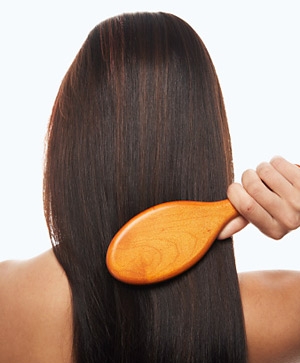
Need another reason to eat better? How about beautiful hair? Next time you’re tackling the “what’s-for-dinner” question, make it easy with this list of 10 hair-healthy foods. Most not only boost growth and shine, they also pack a huge nutritional punch. 

1.  Lentils

A hearty source of B vitamins, namely biotin and folic acid, lentils promote healthy and fast-growing hair by supplying oxygen to follicles and renewing cells.

2. Red Peppers

Irresistibly crunchy and impressive when stuffed, they’re also a rich—and unexpected–source of vitamin C. A half  cup contains 95 mg, about one fifth of the daily recommended 500 mg of vitamin C.

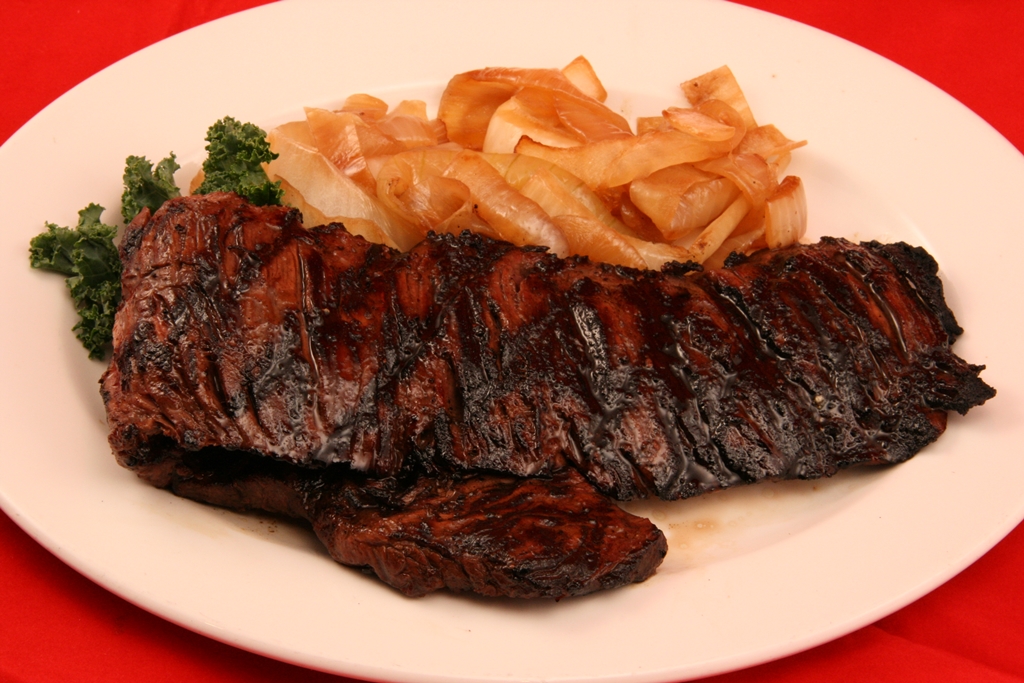
3.  Beef

Hair is 97% protein, so it’s a no-brainer that meat can pump up hair growth. Beef is full of iron and other nutrients. Look for lean cuts to minimize fat consumption.

a1

4.  Greek Yogurt

Besides being creamy and almost unbelievably low in fat, Greek yogurt is packed with shiny hair nutrients: vitamin D for strong follicles, protein, frizz-fighting vitamin B6, and zinc.

5.  Carrots

Most people cite sweet potatoes as the best source of vitamin A (aka beta-carotene) which is, among other things, necessary for skin and vision health. It’s also essential for sebum production, which conditions your scalp and hair. If it’s difficult to think of sweet potatoes beyond Thanksgiving, the versatile carrot is a good alternative and easy to fit into your regular diet. Just two raw baby carrots exceeds your regular daily intake of vitamin A. They also make any salad brighter and more delicious.

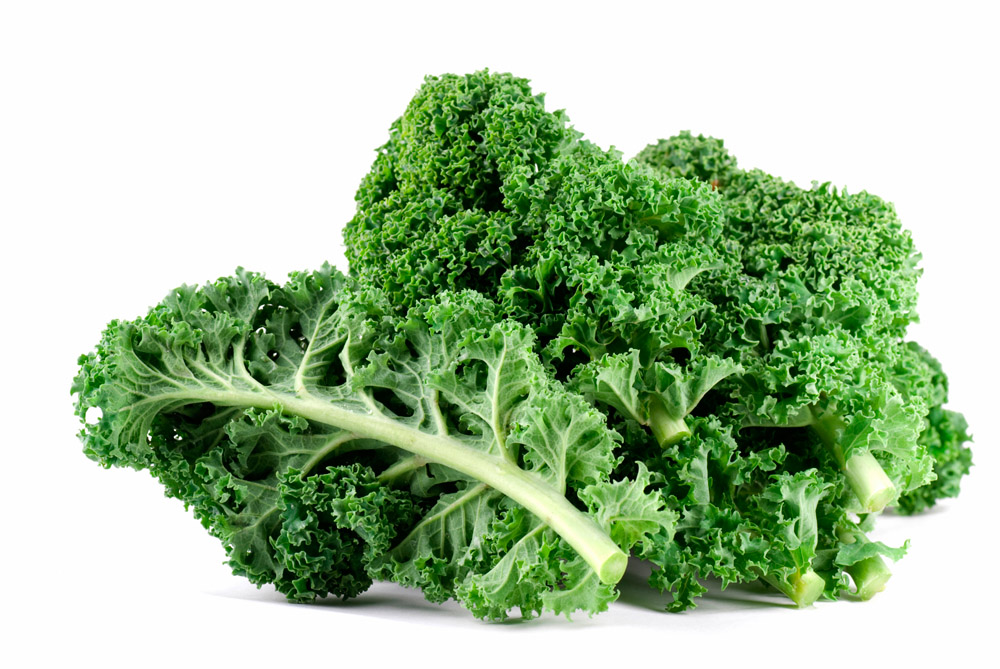
6.  Kale

This super green is like a multi-vitamin for your hair. One cup of the vegetable contains your daily allowance of beta-carotene for cell growth and collagen-boosting vitamin C. It also helps replenish your body’s iron reserve, which promotes blood circulation. What’s more a combination of omega fatty acids, 3 and 6, when together strengthens strands and increases the rate of hair growth. 

a3

a1

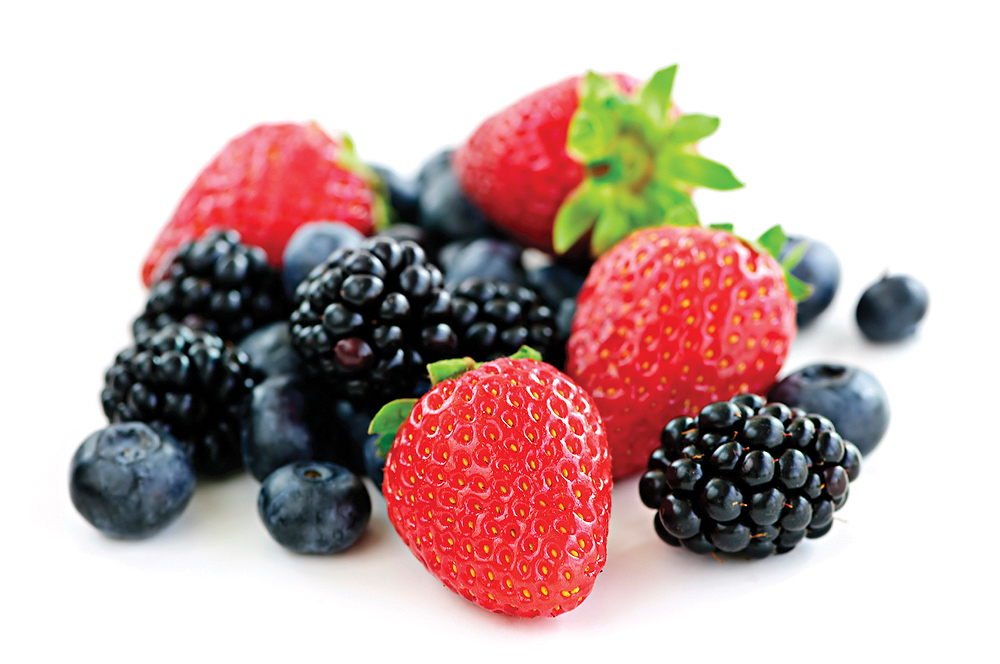
7.  Berries

In addition to adding pretty color to your plate, berries are full of Vitamin C, a powerful antioxidant that protects against wrinkles. It also helps your body absorb iron more effectively—good news for nourished follicles—and helps in the production of collagen, great for skin’s elasticity and capillaries that deliver nutrients to your hair.

8.  Eggs

Give new life to brittle hair with eggs for breakfast. There are about as many beauty benefits to eggs as there are ways to cook them. Eggs are a great source of biotin, the B vitamin responsible for fast Rapunzel-esque hair growth. They also help the body store up iron for circulation for follicle health and contain zinc, protein, and selenium.

a2

9.  Salmon

Famously known for its omega-3 fatty acids, wild-caught salmon is a chic choice for beauty-loving gourmets. Good for a well-balanced scalp and loaded with protein, iron, and vitamin B.

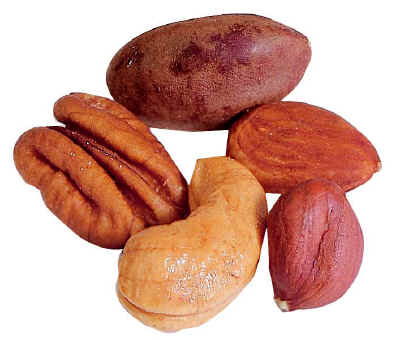
10.  Nuts

Another reliable and delicious source of omega-3, nuts of all kinds help to keep hair glossy and scalps moisturized and flake-free. 


How do you keep your hair healthy?

Help For Night Owls


a2

Ever since I announced that my New Year’s resolution was to get on an ideal sleep schedule, I have been trying my best to shape up. Unfortunately, I continue to struggle in this area! Far too many nights, I have stayed up way past my bedtime and suffered the consequences.

How do you train yourself to wake up earlier, especially for those of us who tend to be night owls? Here’s what worked for me (mind you, it only works when I actually do it! My efforts have been intermittent). If you too are struggling, some of these ideas may help:

*  Determine to get up early at least 5 mornings a week for three weeks. Habits take time to develop. This is not a swift process.

*  Go to bed 5 minutes earlier each night, with a goal time in mind.

*  Set your alarm and make yourself get up when it goes off. No snooze button.

a5

*  Do not get back into bed. Seriously. It never helps.

*  Drink a cup of strong tea or coffee. An additional cup is fine, but not an entire pot.

*  Read something inspirational. This could be a book, a blog, the Bible—whatever works for you.

a3

*  Try some light exercise. Fitness begins with Gilad, aka “the Israeli stud muffin.” Unfamiliar with Gilad? Check him out & you’ll be transfixed!

*  Take a shower and get dressed completely. Staying in PJs all day is a surefire way to stay tired.

*  Set a daily goal. We all need something to look forward to. If you meet your goal, allow yourself a small reward.

a5

By following any or all of these tips, you can enjoy a head start on the rest of your day and hopefully wake up refreshed.


If anyone needs an accountability partner, feel free to comment! Personally, I would love one (hint, hint!).

What To Eat In A Sukkah

a8

If you celebrate Sukkot, you know just how tricky it can be coming up with a menu. We’re supposed to be eating our meals in a Sukkah all week long. (Picture eating outside in a hut for the uninitiated.) I say “supposed to” because in reality, most members of the Jewish community don’t, me included.

When I was growing up, none of the families I knew ever built their own Sukkah. We had a communal one at the Temple. Once or twice, during the holiday week, it would be open to the Hebrew school kids and their parents. Other than that, I don’t recall doing anything special.

My Orthodox friends, on the other hand, are very into Sukkot! The majority of families build them, dine in them, and I’ve even heard of some who are so devout, they sleep in them! (That’s a bit much for me, but whatever works.)

a4

So, for those who do want to dine a Sukkah, the question is: what should I make? There are no specific foods associated with this holiday, so the sky’s the limit. I suggest making food ahead, if at all possible. Also, select foods that taste good at room temperature. Dining in a Sukkah is akin to a picnic.

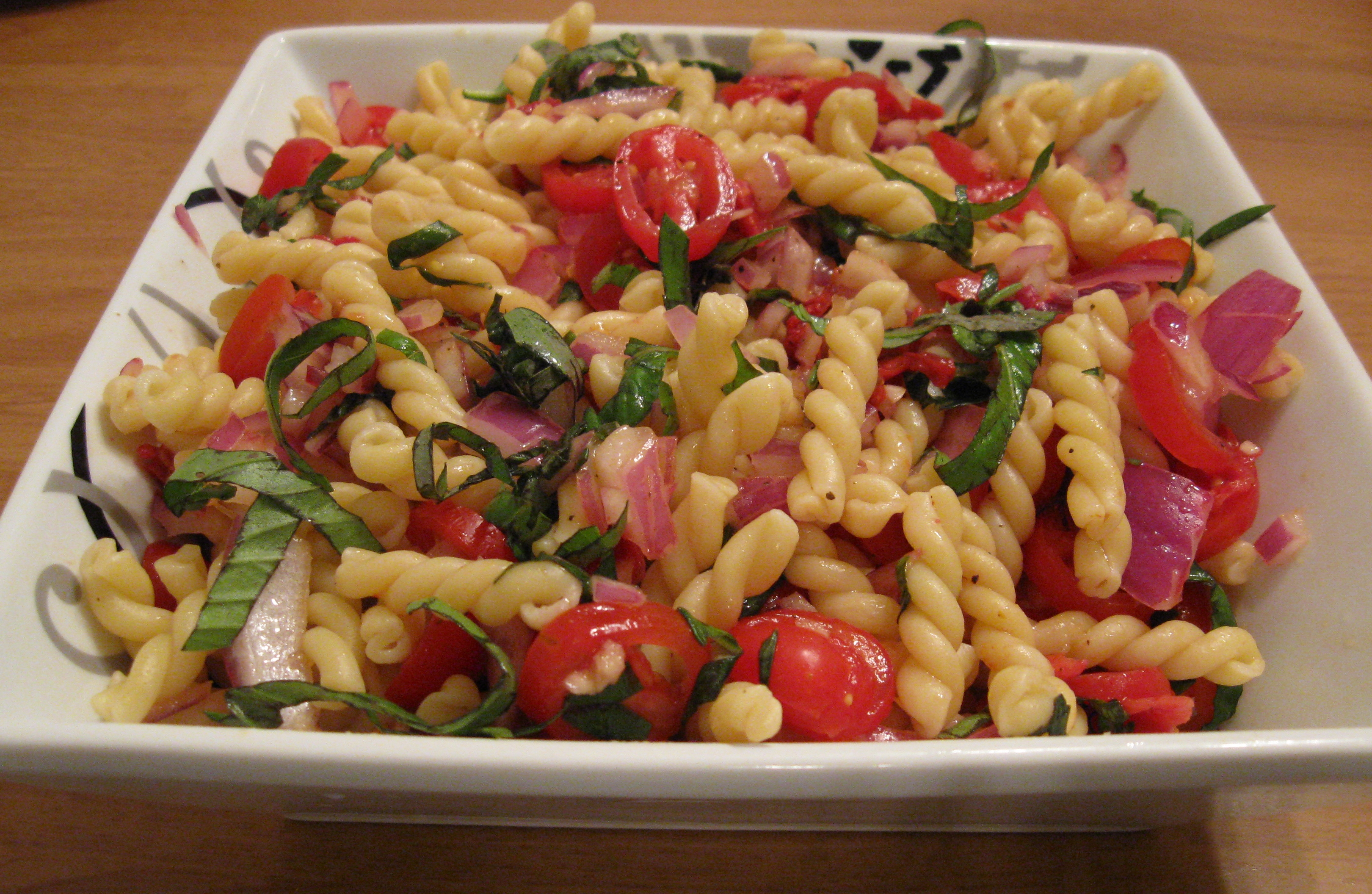
For Sukkot, I love to serve salads—green, chicken, egg, potato, pasta, etc. All of these dishes are easy to make, affordable, and appropriate for a crowd.

a1

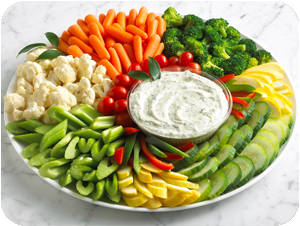
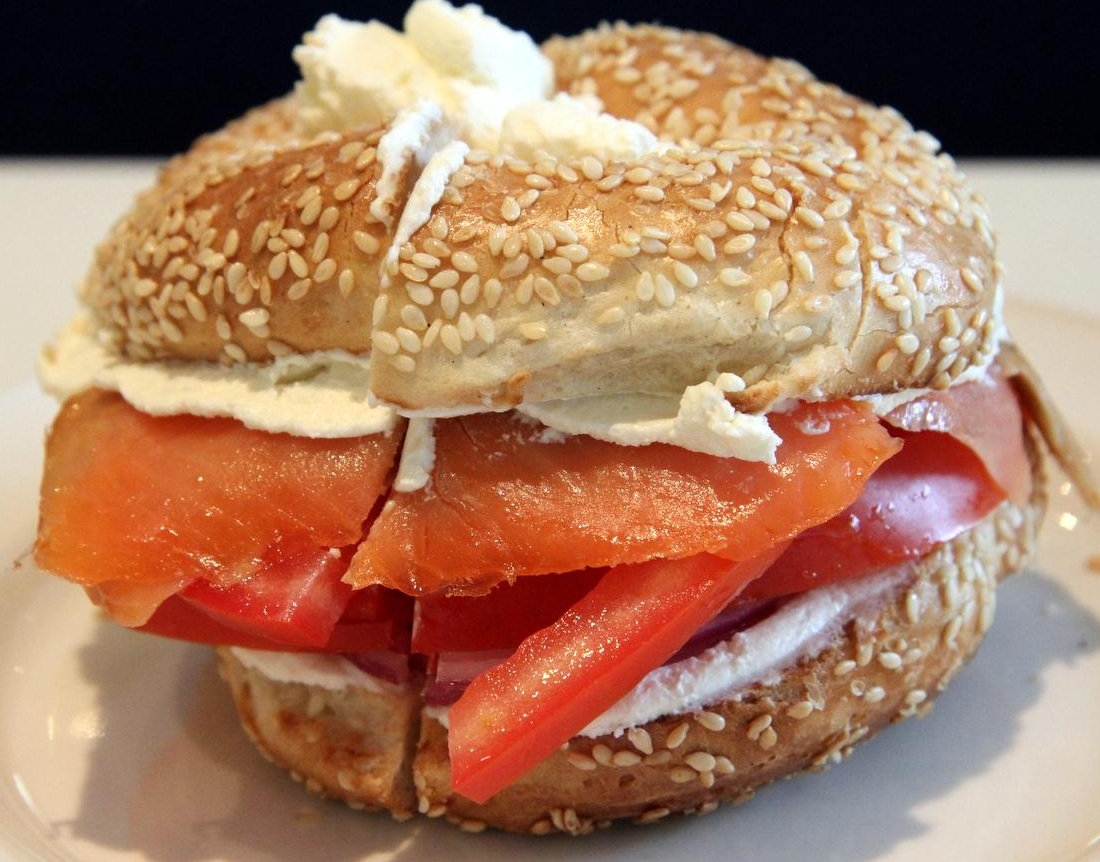
Another great item is a veggie/dip try. You can buy one already prepared, but it’s much cheaper to make yourself. If you enjoy traditional Jewish foods, the Sukkah is a great place for knishes, bagels & cream cheese (smoked salmon optional), and kugel.

a5

a5

There are certain individuals who like to serve soup. This has never made any sense to me, because the likelihood of the liquid actually being hot is almost zero. Skip the soup, by all means.

For dessert, a variety of sweets is great—honey cake, cinnamon rolls, or rugelach. (Homemade or bakery, your choice.)

a2

If you hate cooking, fear not! The most interesting Sukkot party I ever attended featured nothing but Subway and Domino’s pizza and it was still awesome.